
Compressed Biogas (CBG)
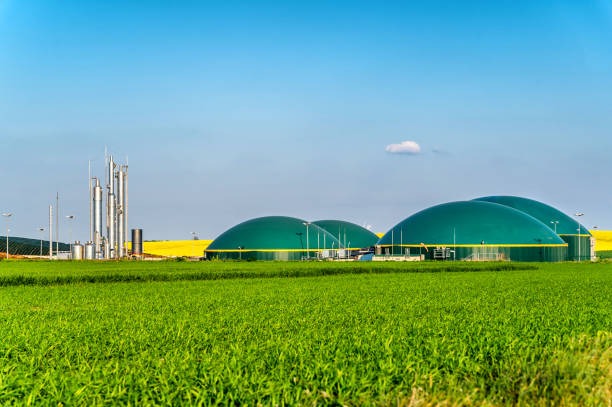
What is Compressed Biogas ?
Compressed Biogas (CBG), also known as BioCNG, is derived from upgradation of biogas that is produced through anaerobic digestion. The biogas thus derived from purified form of biogas with methane content >96%. The raw biogas is produced by anaerobic digestion of organic waste—like agricultural residue, cattle dung, food waste, and municipal solids, paddy straw.
Compressed Biogas plants offer several advantages
Avoids unscientific disposal of waste
Generates useful energy from waste and residues
Helps generate organic manure that is useful in soil regeneration
Improves local economies and livelihood
Helps reduce our Nation’s crude import
Doesn’t contaminate the environment in anyway
What constitutes a Compressed Biogas plant
Feed management (collection, sorting, crushing feeding)
Digestion under anaerobic conditions
Gas Upgradation (Removal of H2O, CO2, H2S)
Compression and bottling to high pressure cylinders.
How can we utilize Compressed Biogas
As Vehicle fuel for transportation in passenger vehicles and goods transportation
For heating in furnaces, heat transfer modules
For power generation as a substitute in case of more expensive alternatives
Advantages of investing in a Compressed Biogas plant
Profitable business with a return on investment of 4-5 years.
Environment friendly
High and continuous demand of fuels
Localization of energy generation and consumption